Real stories, real impact
Explore the harsh realities and systemic inequalities that shape the live of an individual, from the streets to the prison system. These are not just stories; they are calls to action, designed to open your eyes and guide you towards a better path.
From the streets to the system
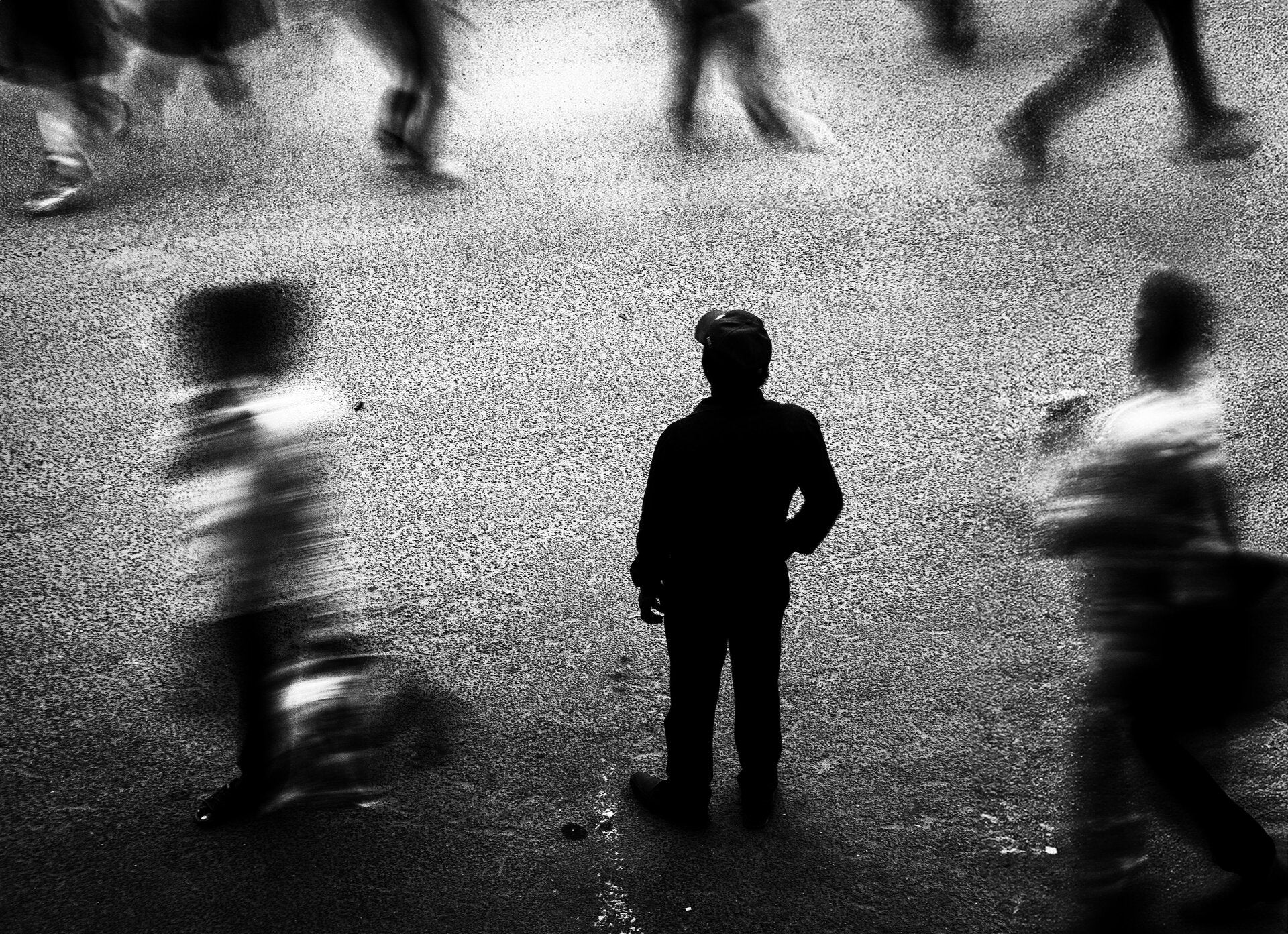
Rudy grew up in Pomona, California, during the early 1990s, a time when tensions between Black and Mexican communities were common. His childhood was shaped by instability and contradiction. His mother worked two jobs to provide structure and consistency, but his father left when he was just three years old, leaving a void that would follow him for years. He was raised with a stepfather, and while his home had routine, it also held pain that few could see. As a young boy, he actually liked school. But by around fourth grade, things began to shift. His short attention span made it difficult to sit still, and he became known as the class clown. Teachers often misunderstood him, seeing disruption instead of a child struggling to focus and be heard. Around this time, he also began gravitating toward the wrong crowd.
Understanding Criminal Behavior: Trauma and Choice
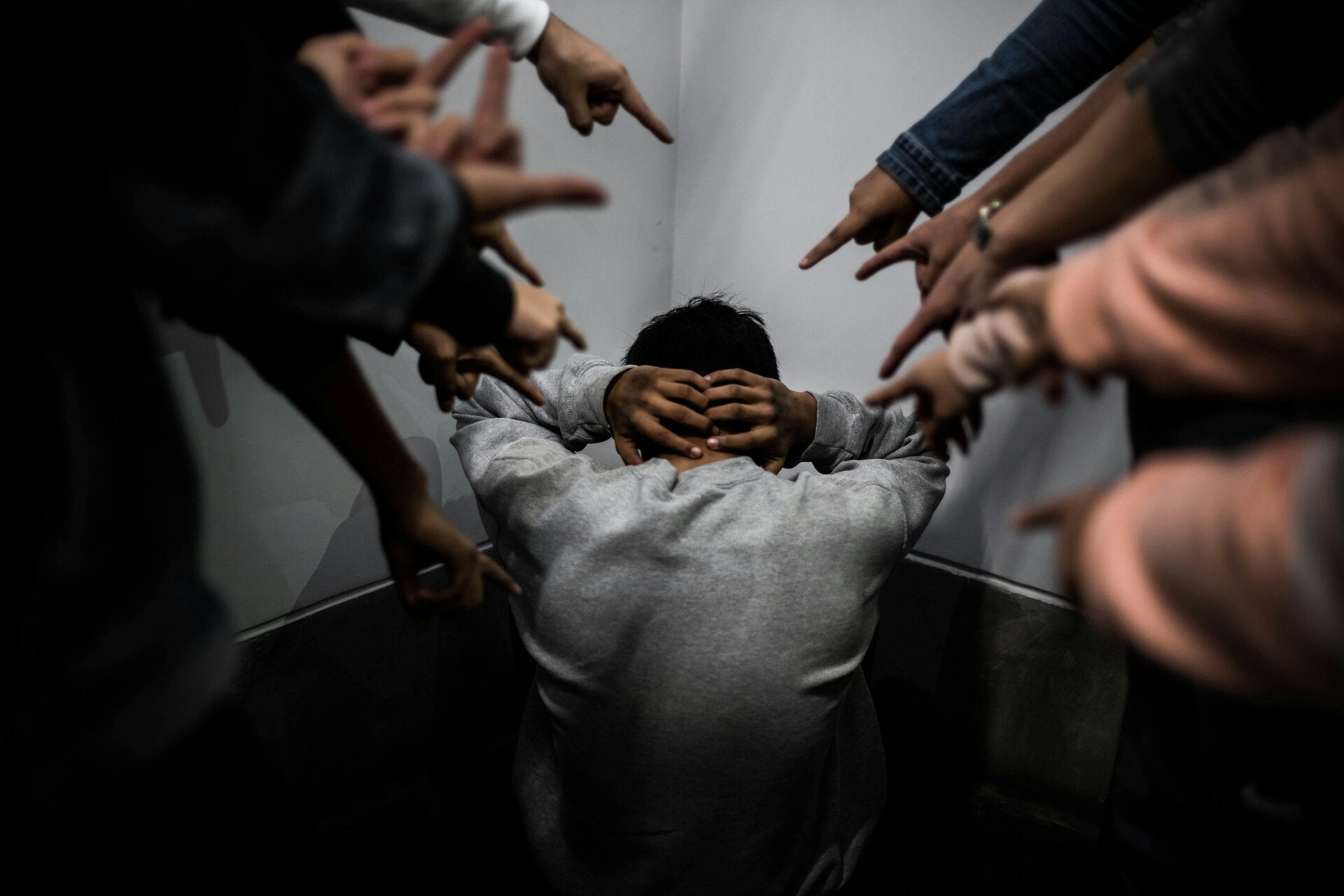
Being a criminal is often seen as a conscious choice made by individuals who engage in illegal activities. However, this perspective fails to consider the complex realities that many individuals face, particularly when their actions stem from trauma responses. For numerous people, turning to crime is not a matter of choice but a survival mechanism instilled in them by their past experiences.
Trauma can profoundly shape a person’s behavior and decision-making processes. Individuals who have faced severe emotional, physical, or sexual abuse often develop coping strategies that may include criminal behavior. In these cases, the actions taken may not be reflective of a criminal mindset but rather of a desperate attempt to cope with pain or to reclaim a sense of control.
Research indicates that a significant number of individuals in the criminal justice system have experienced some form of trauma. This can include childhood neglect, domestic violence, or exposure to community violence. These experiences can lead to mental health issues, such as anxiety, depression, and post-traumatic stress disorder (PTSD). For many, engaging in criminal acts can feel like the only option available to cope with their overwhelming emotions.
Moreover, societal structures often perpetuate cycles of trauma and crime. For those who grow up in environments where crime is rampant, it becomes normalized. Engaging in illicit activities might not only provide a means of survival but also a sense of belonging or identity within their communities. The interplay between trauma and crime underscores the importance of addressing root causes rather than simply punishing the behavior.
Understanding the link between trauma and criminal behavior allows us to approach rehabilitation more effectively. By treating the underlying issues of trauma, we can help individuals break free from cycles of crime. Programs focused on mental health support, trauma-informed care, and rehabilitation rather than punishment can offer paths to healing. Recognizing that many individuals do not choose crime but instead respond to deeply ingrained trauma can foster empathy and drive change within our justice system.
In conclusion, it is crucial to shift the narrative around criminal behavior. By acknowledging that many individuals are compelled to commit crimes not through choice but as a response to their traumatic experiences, we can better understand their actions and the systemic issues that contribute to them. Through a compassionate and informed approach, we can work towards solutions that prioritize healing and rehabilitation over punishment.
Resources and support for you
You don't have to face challenges alone. We want you to know there are people out there who care and want what's best for you. This section provides vital resources for mental health, support for runaways, and other guidance to help you reach out and find the support you deserve. Your future is important, and help is available.
Create Your Own Website With Webador